
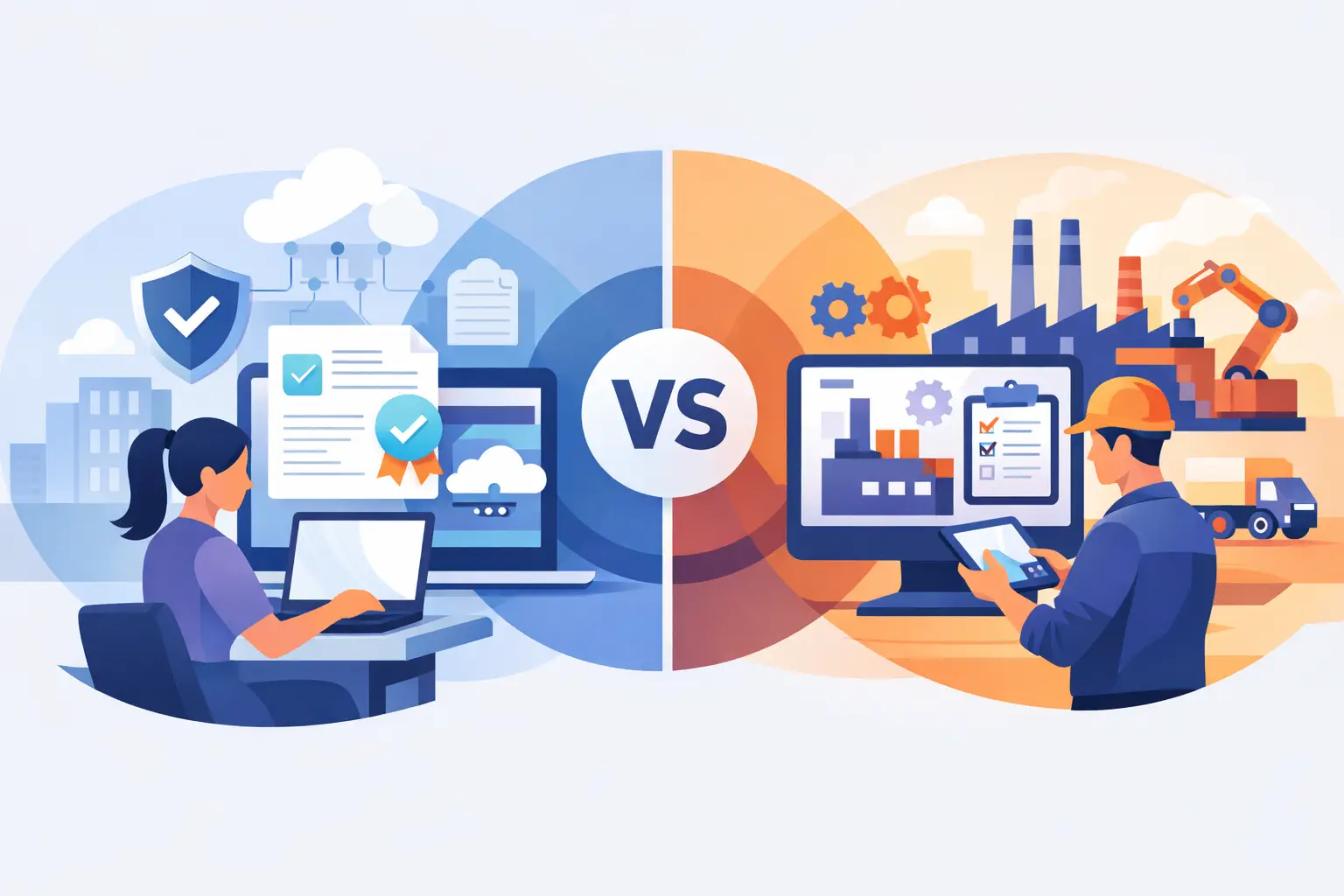
A registration appointment is booked, the imported vehicle is ready, and one document is still missing: the Certificate of Conformity. Choosing between an online COC service vs manufacturer portal can determine whether the process moves forward quickly or becomes another round of emails, forms, and unclear requirements.
Both routes can lead to an official OEM-issued Certificate of Conformity. The practical difference is how easily you can identify the correct document, submit the request, understand the price and timeline, and get support when the vehicle details do not fit a standard order form.
What You Are Actually Ordering
A Certificate of Conformity, commonly called a COC, is an official manufacturer document confirming that a vehicle was produced in accordance with its approved European type approval. Registration authorities may request it when a car, motorcycle, caravan, or commercial vehicle is imported or registered in another European country.
The document is vehicle-specific. It normally relies on the VIN, so an incorrect character, an unsupported production year, or a vehicle built outside the relevant European approval framework can change what is available. This is why the cheapest-looking route is not always the fastest route.
A manufacturer portal is the brand’s own channel for documentation requests. An online COC service is a centralized specialist that handles requests across multiple manufacturers and arranges the official certificate through the appropriate OEM source. The certificate itself should remain manufacturer-issued. Convenience must never come at the expense of authenticity.
Online COC Service vs Manufacturer Portal: The Key Differences
The manufacturer portal may be the right choice when you already know the brand’s process, the portal supports your vehicle and country, and you are comfortable managing the request without assistance. For a straightforward, current-model vehicle from a brand with a well-designed documentation channel, direct ordering can work well.
The experience becomes less predictable when you are dealing with an older vehicle, an imported used vehicle, an unfamiliar brand process, or several vehicles from different manufacturers. Each OEM may use different terminology, payment methods, identity checks, delivery schedules, and eligibility rules. A portal can also be designed primarily for local customers rather than cross-border registration cases.
A specialized online service reduces that fragmentation. Instead of learning a new process for every make, the customer enters the vehicle information once, sees the required order details, and uses one secure ordering process. This is especially useful for dealerships, registration agents, transport companies, and importers who cannot afford to lose time switching between separate manufacturer systems.
Brand Coverage and One Point of Contact
A manufacturer portal is limited to its own vehicles. That is logical, but it creates extra work for anyone managing mixed inventory. A dealer handling a BMW one day, a Toyota the next, and a caravan or commercial vehicle later in the week may need to maintain several accounts and follow several procedures.
An online COC service brings broad brand coverage into one place. The benefit is not that the document becomes less official. The benefit is that the ordering path becomes consistent while the certificate is still obtained from the relevant manufacturer source.
For private owners, this can mean fewer dead ends. For businesses, it can mean a more repeatable administrative process and less staff time spent finding the correct department for each vehicle brand.
Speed Is About Process, Not Just Delivery Time
Customers often compare the advertised delivery windows and stop there. Processing time matters, but the full timeline begins before the manufacturer starts producing the document. It includes finding the correct channel, checking eligibility, submitting complete vehicle data, handling payment, and resolving any request for additional evidence.
Direct portals may offer an efficient route for some brands. However, they may also have limited support, country-specific instructions, or a longer response cycle when an order cannot be processed automatically. If the portal rejects a VIN or requires clarification, the customer may have to determine the next step alone.
A professional COC service is designed around this exact type of request. Clear requirements before checkout, transparent processing times, and a support path for exceptions reduce the chance of avoidable delay. COC-Express.eu, for example, centralizes official OEM COC requests for a wide range of vehicle brands, with secure ordering and clearly stated service conditions.
No legitimate provider can promise to override manufacturer lead times or issue a COC for a vehicle that does not qualify. What a capable service can do is make sure the request reaches the right route correctly and without unnecessary friction.
Price Transparency and the Real Cost of Delays
Manufacturer pricing may look lower at first glance, particularly when a brand offers a domestic portal. Yet the final cost can change with VAT treatment, payment fees, shipping options, translation needs, or extra administrative steps. Some portals do not show every condition until deep into the order process.
A centralized service should present the price, expected turnaround, and document type clearly before payment. That matters because a COC request is often tied to a registration deadline, a vehicle sale, a transport booking, or an inspection appointment.
The real cost is not only the certificate fee. A missed registration appointment, delayed sale, vehicle storage charge, or lost working day can cost far more than a small difference in order price. When time is critical, prioritize a route that is transparent about both cost and processing expectations.
When the Manufacturer Portal Makes Sense
Ordering directly from the manufacturer can be a sensible decision in a few situations. You may prefer it if your vehicle is recent, you are registering it in the same market where it was originally sold, and the brand provides a clear online COC ordering page for your VIN.
It can also be appropriate when the manufacturer has already instructed you to use its official portal or when you need to address a separate warranty, recall, or ownership matter at the same time. Keeping the conversation with the OEM may simplify those related issues.
Still, confirm that you are ordering a Certificate of Conformity rather than a specification sheet, data extract, letter of compliance, or duplicate registration document. These documents can contain useful information, but they are not automatically interchangeable for registration purposes.
When an Online COC Service Is the Better Route
A specialist service is often the more practical option when the vehicle was purchased abroad, the brand’s documentation process is unclear, or the registration authority has given you a short deadline. It is also useful when you need certificates for several makes and want one dependable process rather than multiple portal accounts.
Choose a provider that states clearly that it supplies official manufacturer-issued documents. The order page should request the VIN and explain any relevant limitations. It should offer secure payment, upfront pricing, realistic delivery expectations, and a way to reach a knowledgeable support team if the case is not standard.
Be cautious of sites that offer instant downloadable COCs without confirming vehicle details, promise documents for every VIN regardless of origin, or avoid explaining who issues the certificate. A registration document with legal significance should be handled with the same care as the vehicle purchase itself.
Check These Details Before You Order
Before using either route, verify the VIN directly from the vehicle and compare it with the registration documents. A single incorrect character can delay the entire request. Confirm the exact document required by the registration authority, especially if the vehicle is a motorcycle, caravan, converted vehicle, commercial vehicle, or a model first registered outside Europe.
You should also ask whether the original paper document is required or whether the authority accepts the delivery format provided. Requirements vary by country and by registration office. Ordering the correct OEM document is essential, but submitting it in the accepted format is what completes the process.
Finally, order before your appointment date whenever possible. Even express handling depends on manufacturer availability and accurate vehicle information. Leaving room for an unexpected eligibility check is a practical safeguard, not a sign of slow service.
The right choice is the one that gives you an authentic OEM document, a clear timeline, and confidence that your registration file will be complete when it reaches the counter. If the direct portal provides that with no uncertainty, use it. If it adds complexity, a specialized online COC service can keep your vehicle registration moving with far less administrative effort.